Table of Content
However, leave gel polish on too long, and the nails underneath can get brittle. “It's best to take it out with acetone,” says an OPI brand trainer, who shares her go-to six step process. Your nails will likely feel very dry after this entire process, so rehydrating them is crucial. Apply cuticle oil to your cuticles and around the front side of your finger towards the free edge of your nail bed, says Gyimah. Amy Le likes using marula oil from Drunk Elephant or The Ordinary's "B" Oil. We like the Best of Beauty-winning Naturally London Hydrating Cuticle Oil.
Apply a topical nail hardener for about 2 weeks. Acrylic or gel nails can leave your natural nails feeling soft and flimsy. Wash your hands thoroughly and then paint on a topical nail hardener every day for about 2 weeks until your nails grow out fully again. Try to keep your nails short so that they don’t bend or break at the tip.
Soak Off Your Acrylic Nails Using Acetone
Jenna Rosenstein is the Beauty Director at BAZAAR.com. Selena Gomez Experiments With the Skittles ManicureHarry Styles is also a fan of this colorful nail trend. To revisit this article, visit My Profile, thenView saved stories. The acetone will deteriorate the plastic, and may even spill out. Klare Heston is a Licensed Independent Clinical Social Worker based in Cleveland, Ohio.
Soaks must be done carefully, and the job doesn’t stop with acetone. Nerisha is the beauty commerce editor at ELLE.com, covering all things beauty . She has a penchant for sneakers and nude lip glosses, and spends way too much time re-watching 90s sitcoms. If, however, you're finding that the nail is quite wobbly , then you may be able to easily peel the false nail off. Looking for something a little more elite than your standard Vaseline hand cream?
The Stuck-at-Home Girl's Guide to Salon-Worthy Nails
Once you almost reach your natural nail, switch over to a softer nail file that won't damage your nails as much. The key to this method is patience because it will take a lot of time. But be assured that it won’t leave your nails with the after-effect of acetone, brittleness and dryness. Many ladies that cannot do without manicures are now using acrylic nails. And the reason for this is because they are gorgeous, and they last longer than most artificial nails out there.
It’s not impossible to do; it’s just important to take it slow and have patience to avoid any nail damage. In many cases, the acrylic nail will snap off as soon as you make your first cut with the nail clipper. Moisturize your nails with argan oil, cuticle cream, and moisturizer to help your nails recover from the acrylics. Use an orange stick or a plastic tool to help get the excess polish off the nail.
How to Remove Nail Tips
All it takes is having the right tools and patience to make sure you get your acrylics off without damaging your natural nails. Ahead, we tapped two nail experts to learn how to safely remove acrylic nails at home. The best option for removing acetone is to use acid nail polish remover, which is extremely drying to the nails and the skin on the affected area.
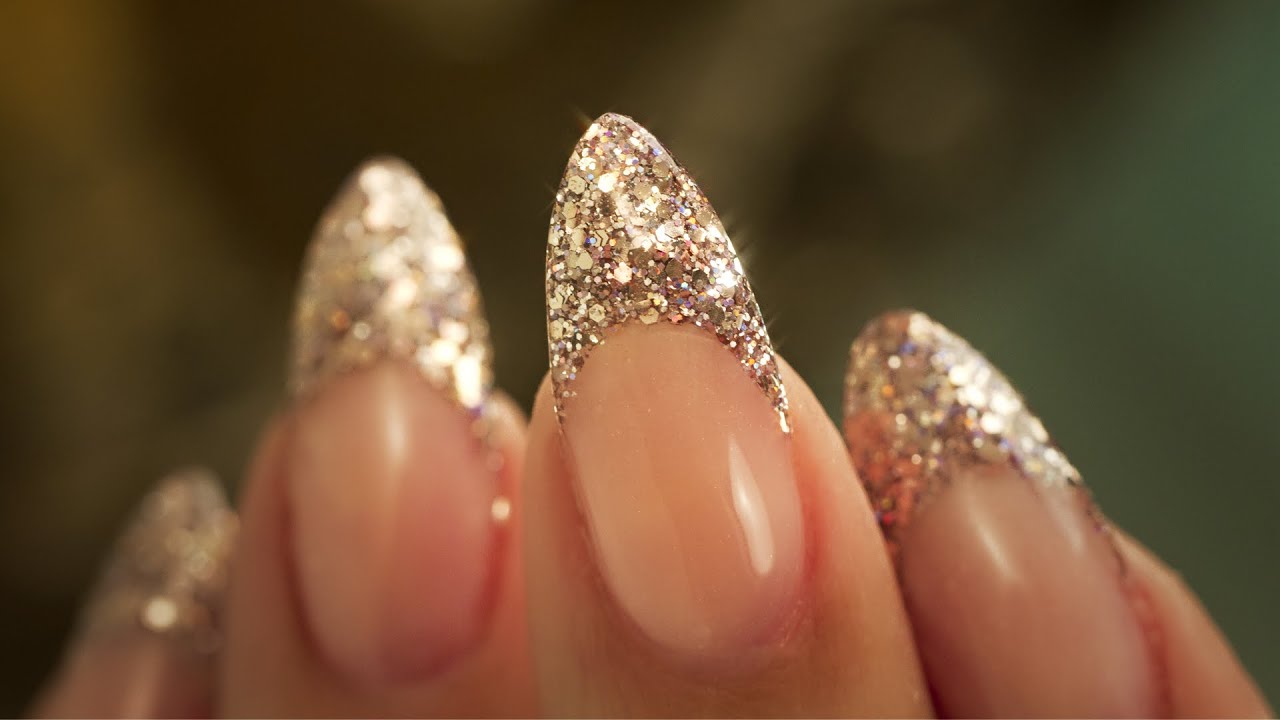
“Massage cuticle oil into your nails to rehydrate them, then buff it into your nails with the soft side of a buffer,” Pinto says. This article was co-authored by Kristin Pulaski and by wikiHow staff writer, Luke Smith. Kristin Pulaski is a Professional Nail Artist and the Founder of Paintbucket, a self-owned and operated nail salon based in Williamsburg, Brooklyn. She has over five years of experience running Paintbucket and is licensed as a nail technician.
Important Tips And Precautions To Be Followed While Removing Acrylic Nails
And if you learnt a lot from this blog, be sure to check out our ultimate guide to false nails. Although acetone is safe to use, in the majority of cases, the side effects are dryness and wrinkling of the skin. But if you experience burning or redness, seek medical help immediately.
Very promptly, I exploded into a ball of light, the Earth cracked beneath our feet, and centuries of ghosts proceeded to haunt her forever more. Because the number-one rule before getting your nails done for the first time? Knowing how to remove acrylic nails the correct way. It can take anywhere from minutes, or even longer, to remove acrylic nails. How long it takes relies primarily on the method being used to remove them. Once your nails are past the point of looking good , you’ll probably want them off as soon as possible.
This will help the cleansing process by making the product more absorbable in acetone. Work the product up toward the nail tip after placing the bead of the product close to the cuticle. Dip your brush once more into the monomer if the acrylic is not flexible enough. Simply placing the press-on nails onto your nails isn’t enough to get them to stay no matter what the packaging says. You have to apply pressure in the center of the nail for at least 10 seconds and pinch the sides while you do it to get the best possible nail bed fit. Acrylic nails can be done as an extension or over the entire nail, depending on the look you want, so design options are flexible.
Your hands have been through a lot, so show them you love ‘em by treating your mitts to a surge of nourishment and hydration. We’d also advise stepping away from the nail varnishes and fake nails for a while, so your nails get a little bit of time to fully recover. Oh, and because acrylics can weaken the natural nail over time, it's never a bad idea to add a nail strengthener to your beauty routine, too. Then, using a cuticle stick or tweezers, pry and lift the edges of your acrylics. Make sure to be gentle in your approach so that you don't harm your nails.
Apply petroleum jelly to the skin surrounding your nails. Acetone is hard on skin, so it's important to protect your fingers. Rub a generous amount of petroleum jelly on the tips of your fingers and the cuticles–even up to the first knuckle, if you’re feeling especially cautious.

For an effective result, move your fingers around while it’s still in the water. If you are having trouble removing your nail tips at home, head to a nail salon for a professional removal. Place the drill tip at the base of the nail tip and turn on the drill. Identify where the base of your nail tip is by finding the edge of the acrylic. Try not to place the drill on your natural nail, or you could damage it. Dip your nails in the acetone up to the edge of the acrylic.
Acetone is a strong solvent that will dissolve the acrylic, making it easy to peel off your nails. To remove your acrylic nails, start by soaking a cotton ball in acetone nail varnish remover. Then, hold the cotton ball on your nail for a few minutes to allow the acetone to dissolve the acrylic. Once the acrylic is soft, you can use a nail file to gently scrape it off your nails.
Next, saturate a cotton ball with acetone nail polish remover and place it on top of and around your nail. Then wrap the nail with a piece of aluminum foil and let the soaking begin. Logan also suggests investing in a manicure bowl, cotton balls, foil paper, nail file and a wooden stick. “The best way to remove acrylics at home is by using an acetone-based remover,” says Edwards. The first is by soaking them in a bowl of acetone-based remover and checking every 15 minutes to see if the acrylic has lifted, explains Sritapan. Soak the nails in the remover for minutes then gently scrape off the acrylics.


No comments:
Post a Comment